Extruded Component Families
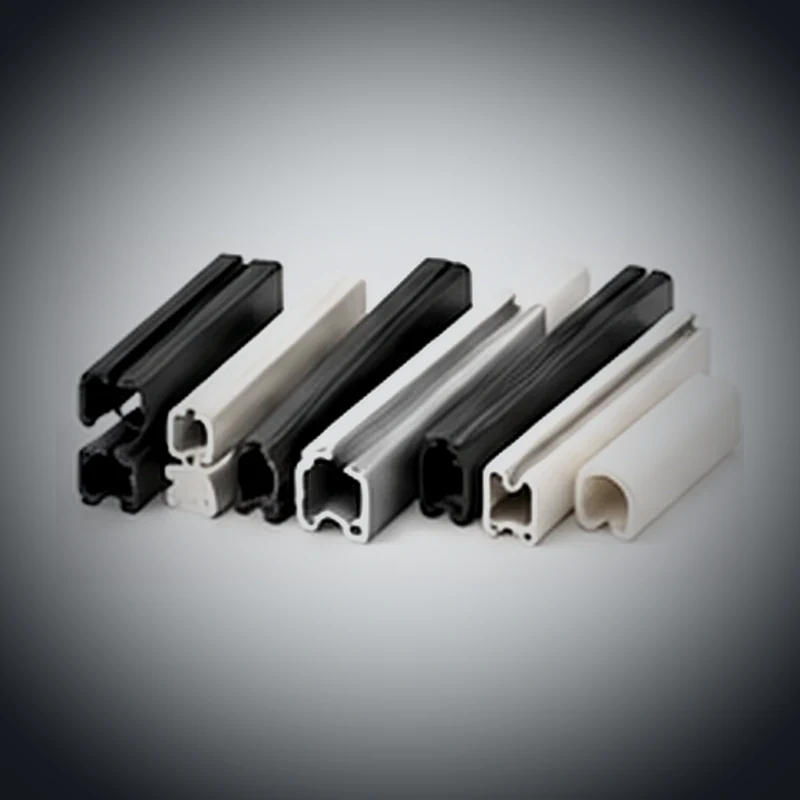
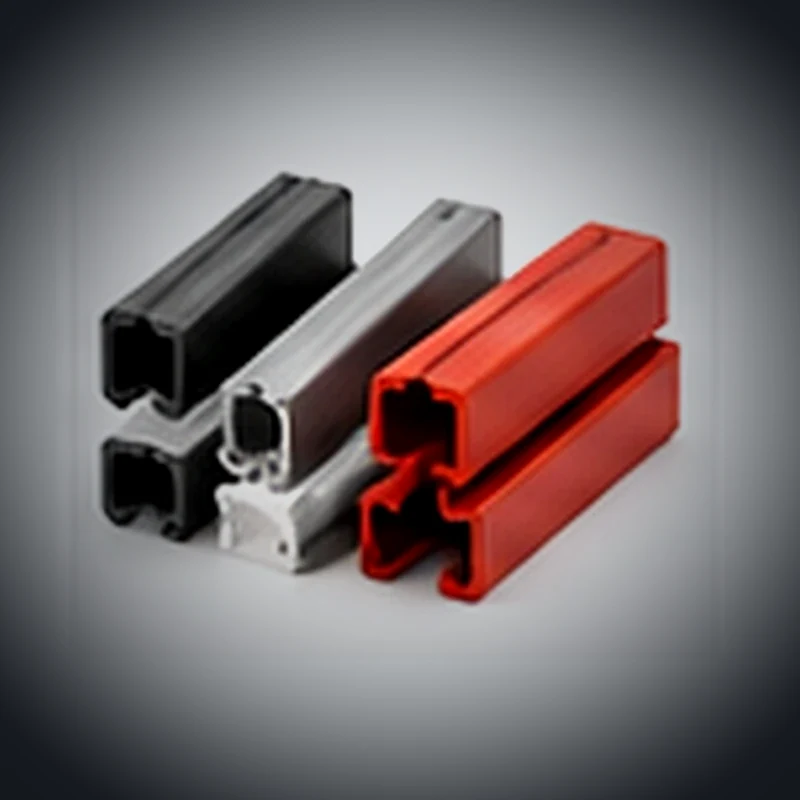
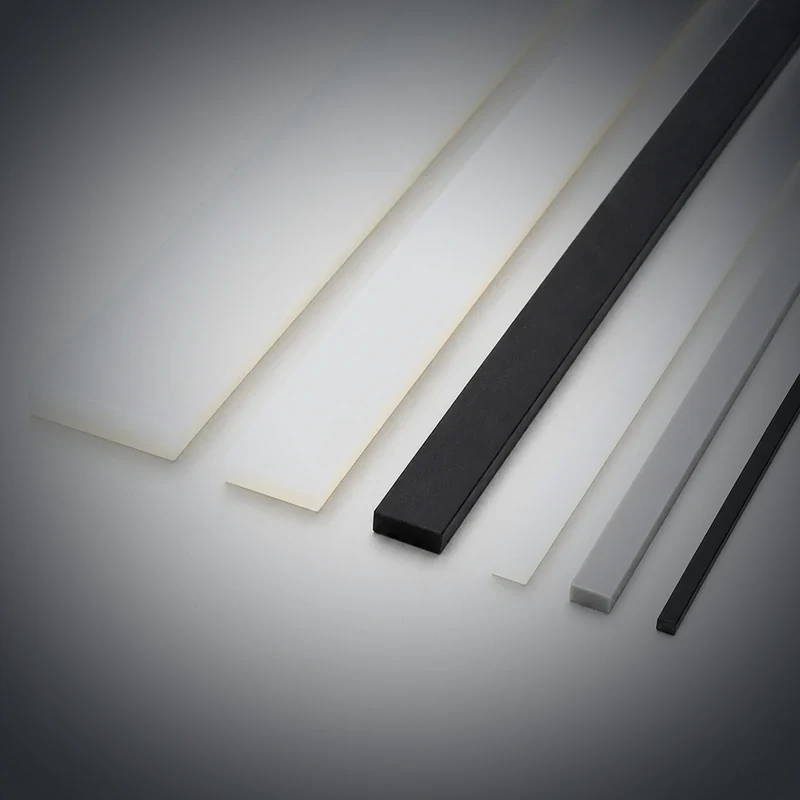
Customer-specific continuous sections reviewed from a drawing, profile section or physical sample.
SILCAP reviews custom industrial silicone profiles, gaskets, seals and moulded components around the actual part geometry and operating requirements. Drawings or samples, dimensions, function, material, hardness, colour, operating conditions, quantity, tooling and documentation define the project before the manufacturing route is confirmed.
Industrial product categories are secondary to the actual engineering basis. SILCAP reviews the part as a connected set of geometry, function, dimensions, material and operating conditions before the manufacturing route is confirmed.
Continuous profile geometry or a discrete moulded part is identified from the drawing, profile section or sample.
Sealing function, protection, movement, damping or another defined product function is reviewed for the application.
Critical dimensions and tolerance expectations are part of the technical review before production conditions are confirmed.
Material selection, hardness and colour requirements are reviewed against the defined part and application conditions.
Temperature exposure, environmental conditions, movement and repeat operating requirements are considered where relevant.
Assembly conditions, mating geometry and the sealing interface are reviewed as part of the component definition.
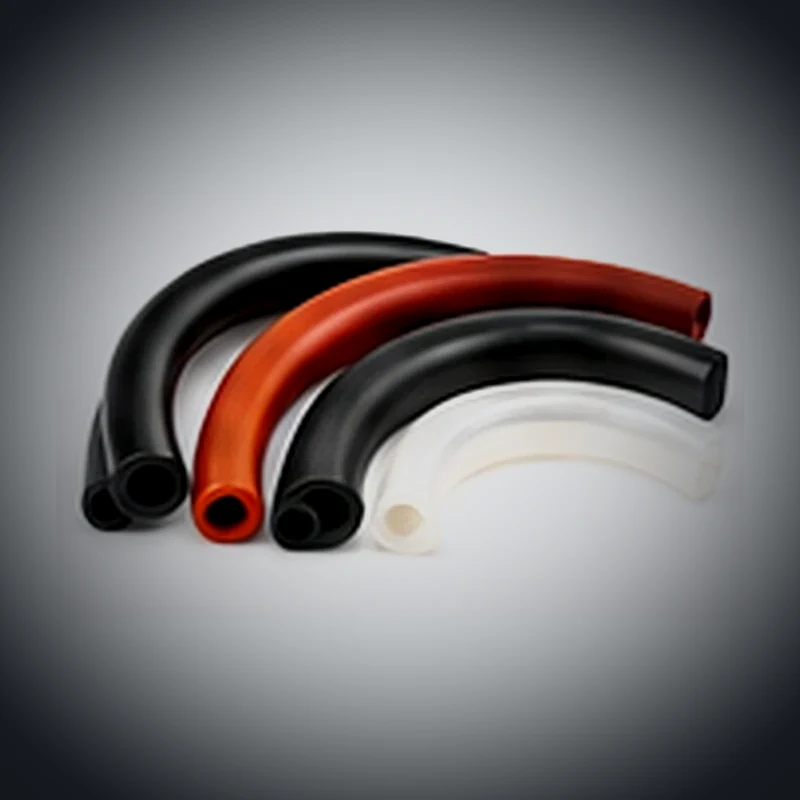
Profiles, gaskets, seals, tubes and moulded parts are useful references, but the key distinction is whether the project is based on a continuous cross-section or an individual moulded geometry.
Customer-specific continuous sections reviewed from a drawing, profile section or physical sample.
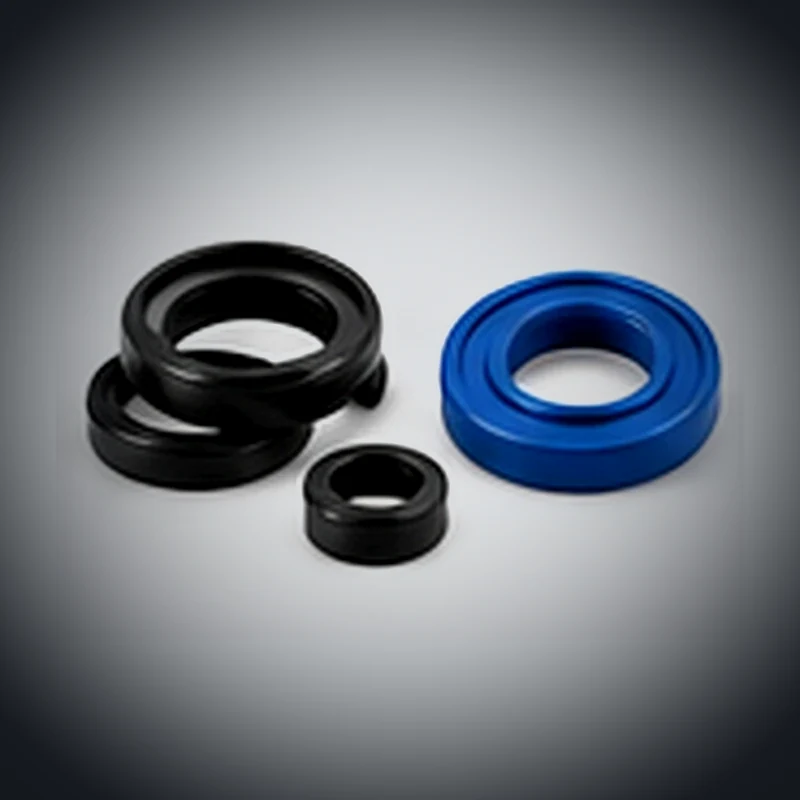
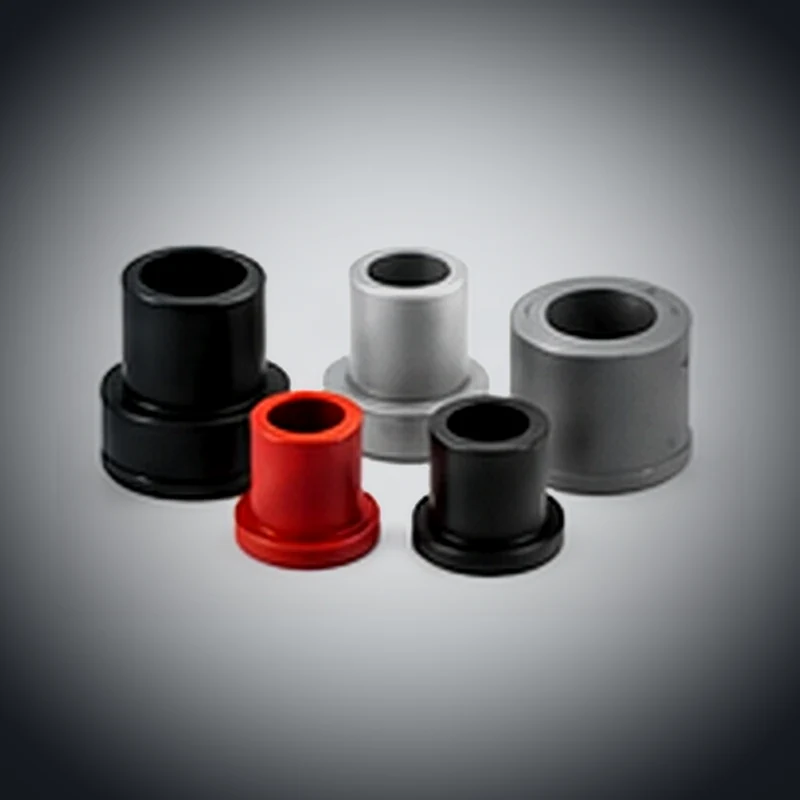
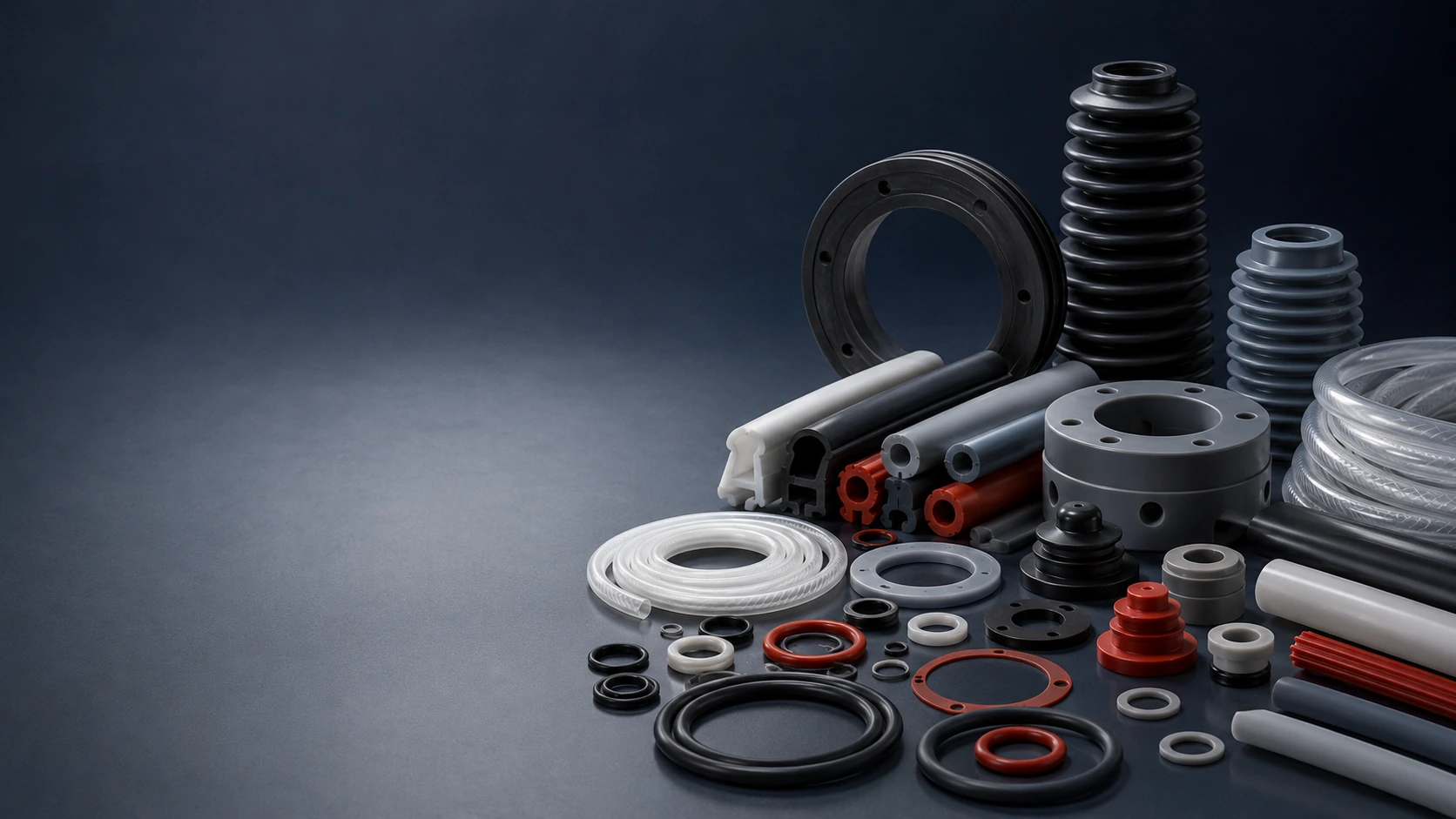
Individual moulded components reviewed around geometry, function, material, tooling and application requirements.
The suitable manufacturing route is confirmed only after the actual drawing, profile section, sample and project requirements are reviewed.
Visuals represent product or application families. Final project suitability is reviewed against drawings, samples, material requirements, operating conditions and documentation needs.
Sector examples help frame operating conditions and assembly requirements. Final suitability remains dependent on the actual component and project specification.
Glazing sections, door and window gaskets, weather-sealing profiles, cords and custom sealing components.
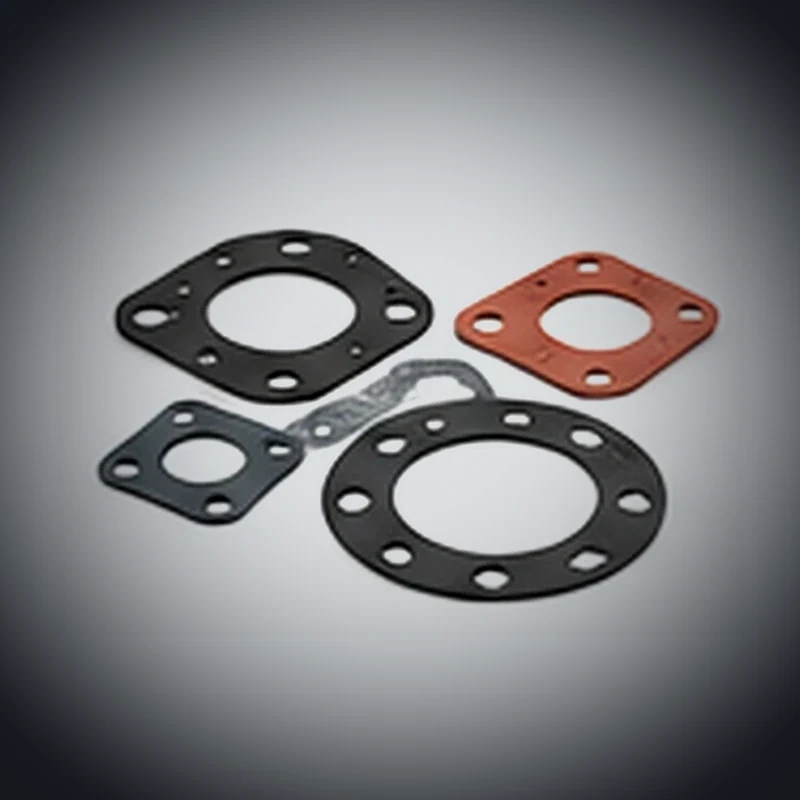
Gasket sections, appliance seals, HVAC sealing components, tubes, membranes, grommets and damping parts.
Profiles, seals, gaskets, protective components, membranes and geometry-specific parts for equipment.
Sealing profiles, gaskets, protective sections and moulded components reviewed around environment and assembly.
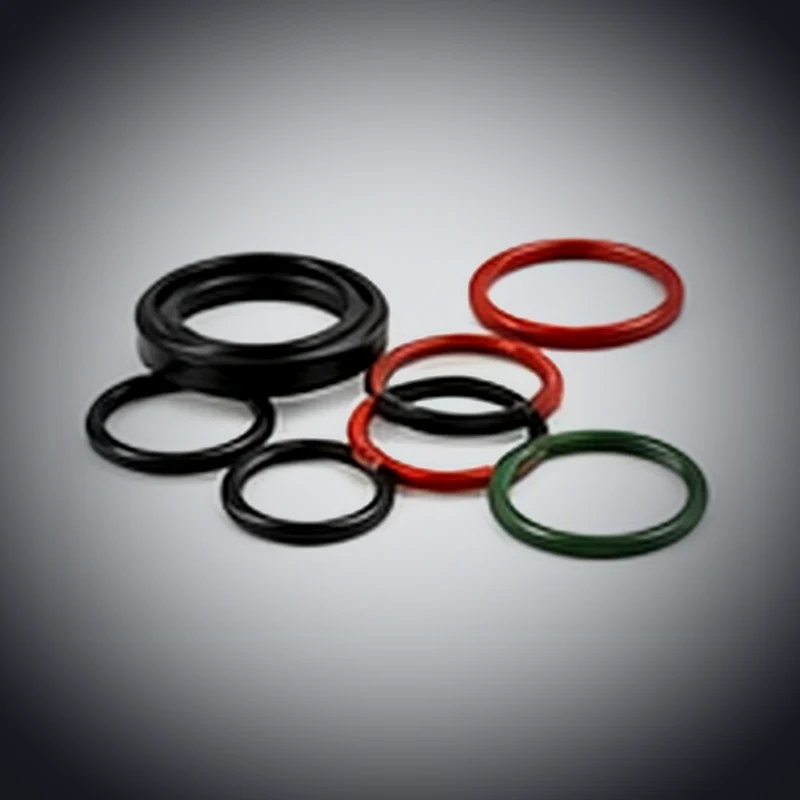
Profiles, seals, O-rings, caps, plugs and custom moulded components reviewed around operating and assembly conditions.
SILCAP performs HTV silicone extrusion and HTV silicone compression moulding in-house. Tooling development for moulded components is coordinated through approved external tooling partners. The final route is confirmed only after project review.
Reviewed for continuous profiles and sections where the cross-sectional geometry is maintained along the product length.
Reviewed for individual moulded components whose geometry, function and production requirements call for a moulded part.
These are review routes, not automatic product assignments. The suitable process is confirmed against the actual project geometry and requirements.
Clear technical inputs let SILCAP review the component geometry, manufacturing fit, material, tooling or sampling needs, operating conditions and commercial scope more accurately.
Available raw-material documentation is reviewed against the intended product, application and target market. Where final product-specific testing is required, SILCAP can coordinate testing through an external laboratory within the agreed project scope.
Available raw-material test reports and material/application scope are reviewed for the defined project.
Target-market and customer-specific documentation requirements are identified as part of project definition.
Final product testing is defined only where required and according to an agreed sample and test scope.
Where required, external laboratory testing can be coordinated as part of the agreed project scope.
Documentation availability and testing scope are confirmed per project and must not be treated as universal product certification.
Shore A hardness is confirmed according to project requirements, material selection and application conditions.
Tooling development is coordinated through approved external tooling partners after geometry and project requirements are reviewed.
Commercial and production conditions are defined after part geometry, material, colour, tooling requirements, production setup and repeat demand are reviewed.
Construction, appliance and HVAC profiles, gasket sections, membranes, grommets and sealing components can be reviewed against drawings, application and operating requirements.
Send the drawing or sample, target quantity, material requirements, operating conditions and documentation scope for SILCAP project review.